
In Defense of The Giving Tree
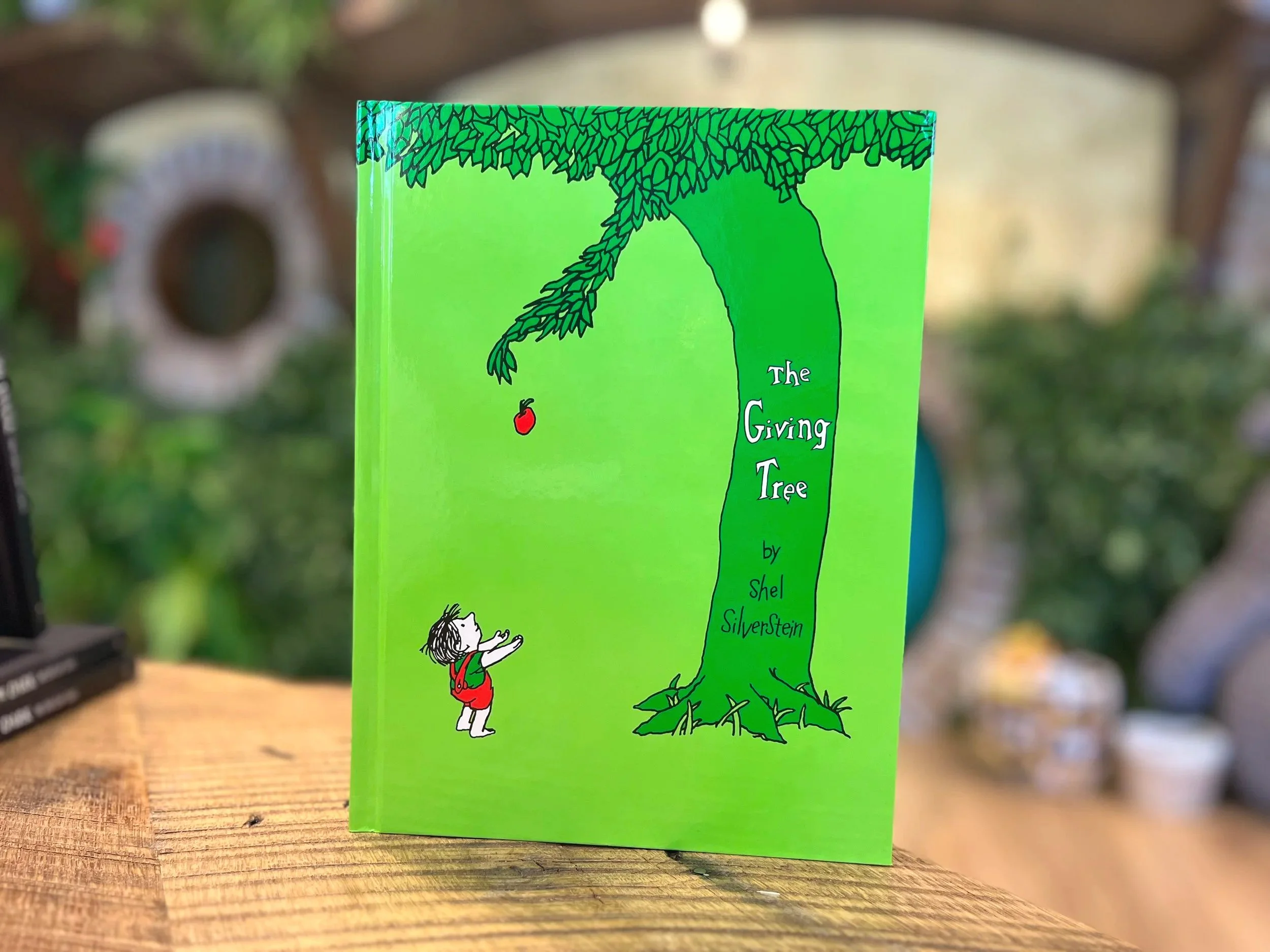
The Giving Tree by Shel Silverstein is an amazing piece of art, and everyone that gives it grief for the way they choose to interpret it is objectively wrong - end of story. The book is not toxic. It does not have questionable messaging. It is not dangerous. It is art.
If you are feeling lost about my grumpiness, let me explain. No, there is too much - let me sum up. For many years now people have been complaining that The Giving Tree teaches our children an unhealthy lack of boundaries. You can think of it like people trying to cancel The Giving Tree - one of the most beautifully tragic works of art ever made in children’s literature - for being behind the times and being a bad role model in our enlightened society.
Every once in a while you’ll see a social media post or a substack article about why The Giving Tree is problematic. There’s even a popular parody book that focuses on healthy boundaries. It always makes me sad to see this great work of art misinterpreted and maligned like that - so I thought I’d take a moment to defend The Giving Tree and put some much deserved love and appreciation for it out into the universe.
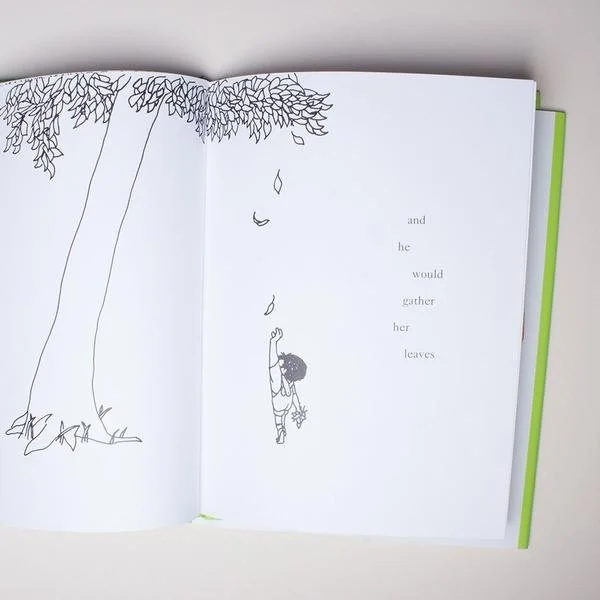
You see, the reason that team anti-Giving Tree is actually objectively wrong, is that they are completely forgetting the assignment when it comes to both books and art. Any meaning that you find in the pages of The Giving Tree is up for your interpretation. And after you find that meaning and experience those feelings, you simply cannot conflate that with some sort of didactic messaging or stamp of approval from the author or the book.
This is the crux of the issue. If you think the tree should not have given so much of itself to the boy, you are allowed to feel that way, and you may even be right, but that does not mean you’re allowed to make the illogical leap of claiming that the book or the author is trying to defend or teach this behavior. To think that authors agree with and promote the behavior of all of the characters in their books is absurd, and I can’t believe that even has to be said.
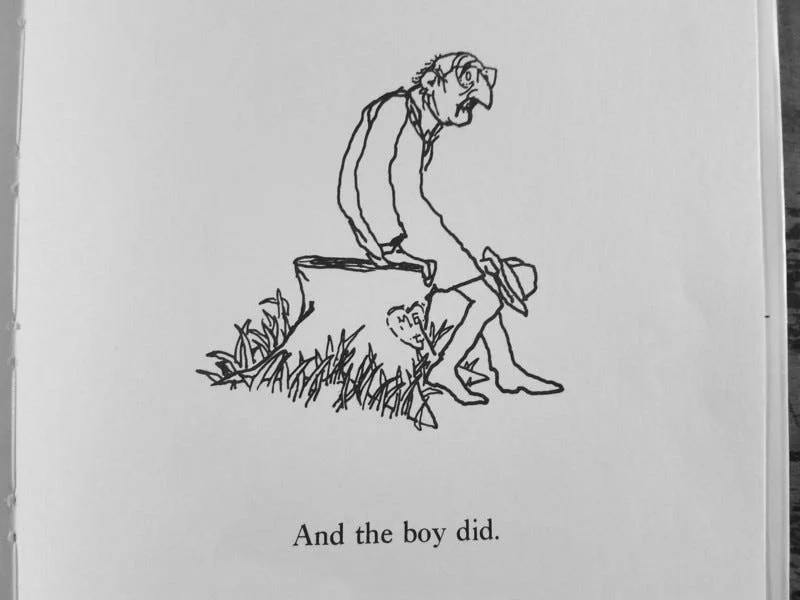
The emotions that people feel while reading The Giving Tree are powerful, and that’s what makes it a spectacular piece of art. It is tragic. It is strange that the tree is happy even when it’s been turned into a stump. But who are we to say that it isn’t actually a cautionary tale? Why would opponents decry The Giving Tree when it could just as easily be used as an ally raising awareness for their concerns. And since when are characters in books not allowed to do things we disagree with anymore, or maybe (dare I say) even have different feelings or priorities or thoughts about life?
And speaking of didacticism in kid lit, I think there may be an unfortunate correlation hidden in there somewhere. Quite frankly I think it’s possible that adults have become so accustomed to the idea that books have to be teaching their kids something all the time - like they’ve been trained to ask, “what will my kid learn from this” - that some people have completely forgotten that a children’s book has the capability of being ambiguous and contemplative.
It’s okay for a book to elicit complicated feelings - even a kids book. The Giving Tree does that extremely well, as evidenced by the fact that people, including myself, get so worked up about it. And, by the way, it’s also okay for a book to teach absolutely nothing - to simply make you feel something or take you on an adventure. Not that I think there’s nothing to take away from The Giving Tree - I actually think it’s an extremely wise glimpse of human behavior - I just thought it was worth repeating that teaching nothing is an option that is still on the table.
The Giving Tree is a snapshot of life and of love. It’s easy and tempting to interpret it, as many people do, as the love of a parent for their child. Do parents give of themselves and act the way the tree acts in real life? Absolutely yes. Should they? That’s for you to think about. Enjoy this valuable opportunity for thoughtful contemplation that this beautiful work of art has given to you. Does the book tell you what to think and what is right? No it does not.